Thus, the project’s objective is to combine radiotherapy with hyperthermia (treatment through localized heat) and nanoparticles. The expected results could help improve the patient’s quality of life and reduce healthcare costs.
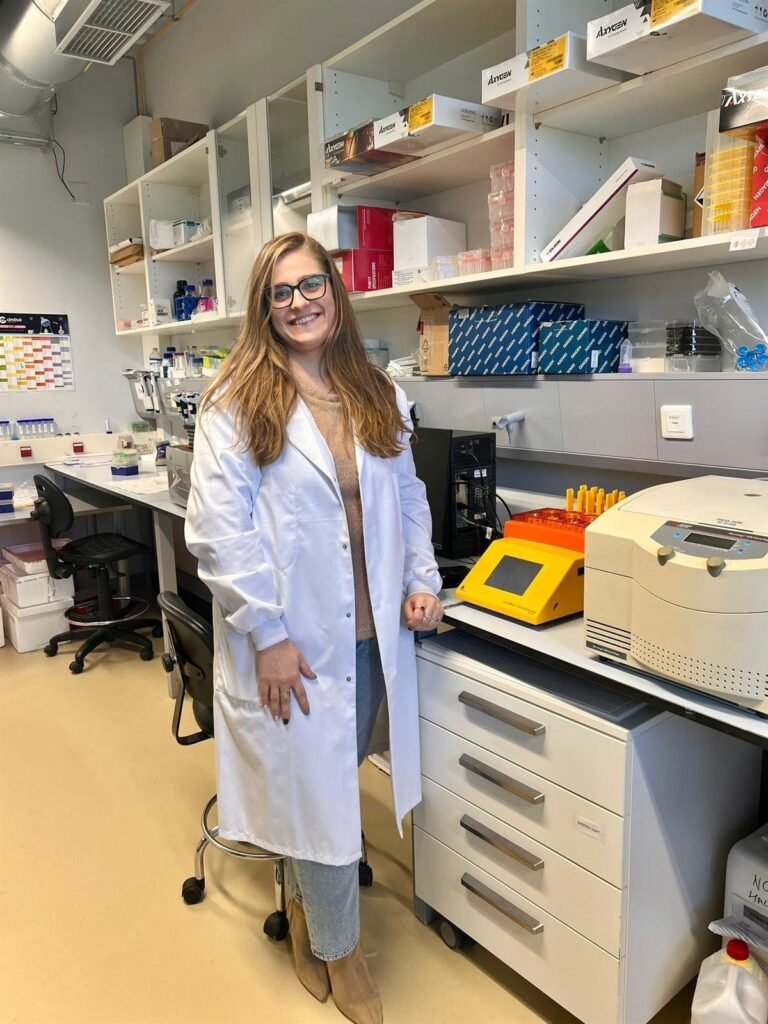
«We have seen that individual strategies already have an effect, we know the treatments well, and that is why we believe that combining them would be beneficial for this type of treatment,» said Ana Espinosa, a researcher at the CSIC in the Institute of Materials Science in Madrid and project coordinator.
The CSIC scientist has experience in studying cancer treatments based on hyperthermia, a therapy that targets tumor cells by increasing their temperature using nanoparticles activated from the outside. In the clinical field, hyperthermia usually accompanies radio and chemotherapy in cancer treatment in patients. «Its use using heat-generating nanoparticles (in the range of one billionth part of a meter) offers multiple advantages,» says Espinosa.
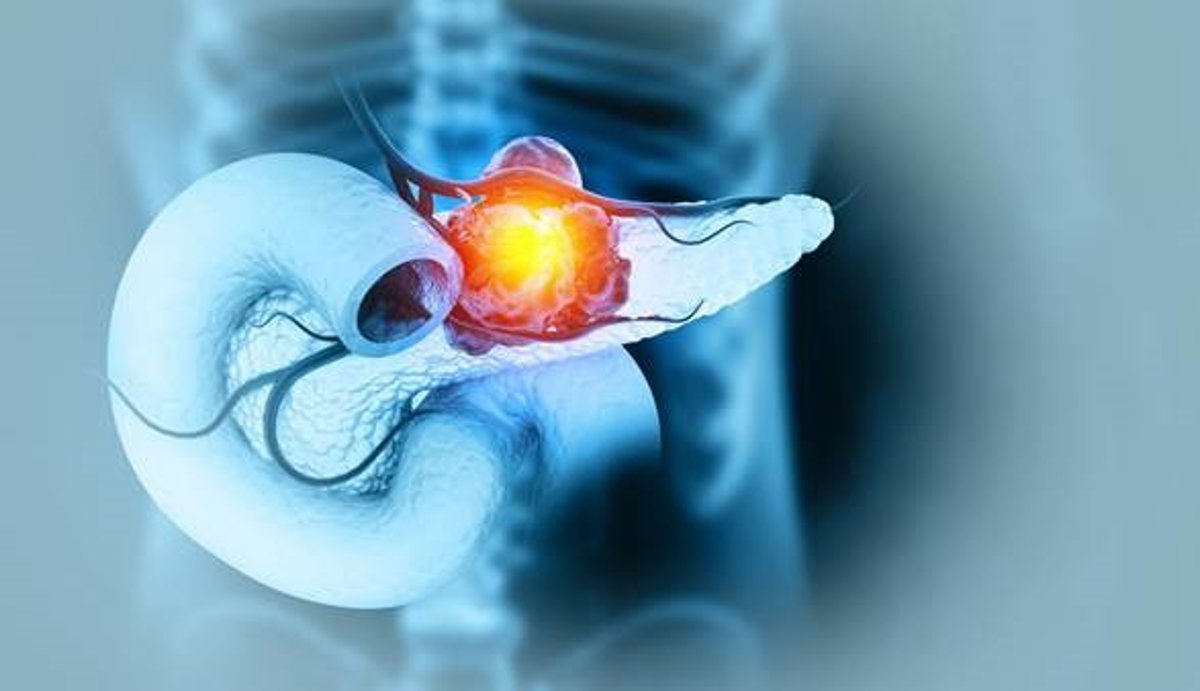
Espinosa explains that pancreatic cancer is considered a «cold immunologically tumor» because it has certain characteristics that make an effective immune response against cancer cells difficult. «This type of cancer has a very low survival rate, it is very difficult to treat,» indicates the researcher, who explains that, due to its nature, cancer cells «hide from the immune system and do not allow treatments to be effective.»
Unlike «hot» tumors, which usually have high levels of immune cell infiltration and response, Espinosa points out that «pancreatic cancer creates a hostile environment that evades immune therapy,» explains Espinosa, who explains that this type of tumor creates a «hypoxic and immunosuppressive tumor microenvironment (EMT),» which means that it presents high resistance to radiotherapy.
The project, entitled ‘Radiothermal-driven immune activation to tackle pancreatic hypoxic tumors (XPANTHER), aims to integrate hyperthermic radiotherapy with innovative nanoparticle-based treatments in ‘in vitro’ models.
«Each element contributes in a way to attack the tumor,» says Espinosa. «The goal is to advance nanoparticle-based treatments, improving therapeutic advantages over conventional methods for potential precise and personalized cancer treatment. For this, we will use advanced ‘in vitro’ models that allow us to recreate the tumor microenvironment,» she explains.
In addition, this research also explores the advanced characterization of these systems using synchrotron radiation-based X-ray spectroscopy.
FUNDING OF 800,000 EUROS
‘XPANTHER’ has a total funding of approximately 800,000 euros through the TRANSCAN-3 network, which promotes cancer research cooperation at the European and international levels, in this case on translational cancer research. In Spain, this project is funded by the Carlos III Health Institute and the Scientific Foundation of the Spanish Association Against Cancer.
In this project led by the ICMM-CSIC, entities from Spain (CSIC and the Health Research Institute of the Hospital Clínico San Carlos), France (Institut Curie and Centre National de la Recherche Scientifique and Inserm U1148 Sorbonne Paris Nord University and Avicenne Hospital), and Slovenia (Slovak Academy of Sciences) participate.