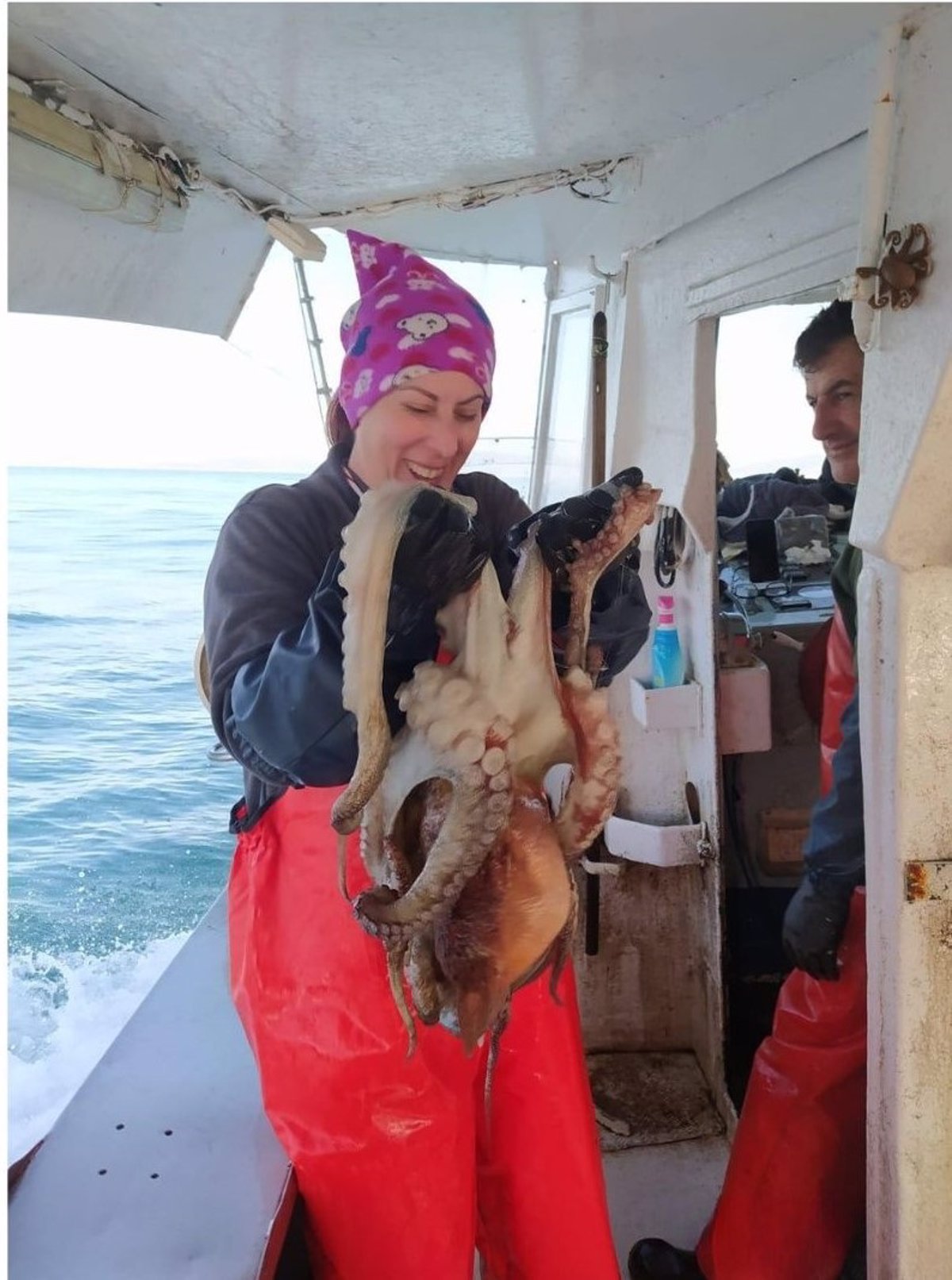
Experts participating in a conference held this Monday in Madrid have acknowledged the progress of women entrepreneurs in the past 30 years, although they have warned of the «historical debt» represented by the gender gap. In 1995, nearly 200 countries signed the Beijing Declaration, an international agreement that marked a turning point in the fight for gender equality.
The event, organized by the Spanish Agency for International Development Cooperation (AECID), the Ibero-American General Secretariat (SEGIB), and the BBVA Microfinance Foundation (FMBBVA) under the theme ‘Women at the Helm: three decades of progress and challenges in gender equality’, featured experts in the field and firsthand testimonies from women sharing their experiences.
For example, during his speech, Ibero-American general Andrés Allamand emphasized the need to strengthen public policies promoting decent employment, access to financing, and increased participation in political and business decision-making for women.
He also highlighted that «substantive equality remains a historical debt.» «Beijing+30 reminds us that it is not just a pending goal, but an essential requirement for the fair and sustainable development of our societies,» he defended.
At the event, two women shared their experiences in traditionally male-dominated sectors. One of them, Verónica Cazorla, a sailor and boat captain in Vigo, stated that women have to work «twice as hard» to be taken seriously, but «women can do this job just as well or even better than men.»
«It’s tough work because you have to go to work every day at five-thirty in the morning and move many kilos daily, but if you like it, you have to do it; breathing that air and seeing those sunsets is priceless,» she emphasized. According to data from the Ministry of Agriculture, Fisheries, and Food, in the last 10 years, between 85% and 90% of jobs in fishing in Spain have been held by men.
Dania Riquelme, an artisanal fisherwoman from Chile, recounted how, after losing her home and business in the 2024 Chilean fires, with the help of the BBVA Microfinance Foundation, she managed to build a new house and restart her business.
«Other fires had come close, but never to the extent of burning down the houses. But that one was tremendous: it was coming towards us, vehicles started exploding, it was desperate, people were shouting, looking for their relatives, it was a rain of embers,» she recalled.
As Laura Fernández Lord, the FMBBVA’s Sustainability, Equality, and Inclusion manager, pointed out, «women need access to financing, training, and support networks to venture and succeed.» «At the Foundation, we have seen that when we support them with financial services, their businesses grow by 15%, and half of them lift themselves out of poverty in 3 years. Investing in them is investing in the progress of all,» she defended.
AECID Director Antón Leis also stressed the importance of continuing to promote women’s empowerment. «The protection and promotion of women’s and girls’ rights are a priority for AECID and Spanish Cooperation, defined as feminist cooperation. The political, economic, and social empowerment of women is not just a matter of justice for 50% of humanity, but a powerful engine for development, prosperity, and well-being for everyone,» he affirmed.
Since the Beijing Conference in 1995, women’s rights have advanced, but economic, health, and climate crises have disproportionately affected the female population. According to the Economic Commission for Latin America and the Caribbean (ECLAC), 10% of women worldwide live in extreme poverty, and if the trend continues, by 2030, this figure will exceed 11% in 30% of countries.
### SITUATION OF WOMEN IN LATIN AMERICA AND SPAIN
In Latin America, 62% of women face multidimensional poverty, indicating not only low incomes but also a lack of adequate access to health, education, and housing. In Spain, over 6.7 million women are at risk of poverty or exclusion, according to the European Anti-Poverty Network (EAPN-ES).
Regarding female entrepreneurship, it is growing in Spain, reaching 20%, slightly above the European average of 17%, according to the Entrepreneurship Observatory (GEM). Latin America is the most entrepreneurial region globally, with a 21% business creation rate by women, as per the same study.
However, many women must overcome the lack of access to financing, as in Latin America, where one in two women remains outside the labor market, limiting their economic autonomy. This is why the FMBBVA is working to change this reality, supporting 1.7 million vulnerable female entrepreneurs in Colombia, Peru, the Dominican Republic, Chile, and Panama. Thanks to these programs, 7 out of 10 benefiting women have managed to lift themselves out of poverty.
Access to education is another challenge to address, as 119 million girls worldwide do not attend school, resulting in a global economic loss of over $10 trillion annually, according to the United Nations. Additionally, only 35% of graduates in STEM disciplines (science, technology, engineering, and mathematics) are women, limiting their participation in the future digital economy.
«It is essential to reinforce public policies that promote decent employment and access to financing, as well as to increase women’s participation in political and business decision-making,» Allamand stated.
FUENTE