The 20 percent remaining to achieve an optimal result depends on the technique itself, the type of laser or intraocular lens implanted, the surgeon performing the procedure, the institution where it is performed, and the hygiene in the operating room, as detailed by the ophthalmologist during a training seminar on refractive, presbyopia, and cataract surgery organized by Miranza.
Refractive surgery treats refractive errors such as myopia (poor distance vision), hyperopia (poor near vision), and astigmatism (distorted vision at all distances) to achieve good vision without the need for glasses or contact lenses.
It is emphasized that surgery does not necessarily have to reduce the diopters to zero, as not achieving this result does not mean failure. The goal of these interventions is not only aesthetic – removing glasses – but also useful for treating high prescriptions, balancing the prescription between eyes, meeting certain job requirements like firefighters, or addressing conditions such as recurrent corneal erosions.
There are two main types of techniques used: laser surgery and surgery with intraocular lenses. The former changes the curvature of the cornea to achieve proper focus, while the latter involves implanting an intraocular lens.
In terms of patients eligible for each technique for refractive errors, both require a healthy eye, a maximum of six to eight diopters for laser, and up to 18 to 20 for intraocular lenses. Generally, the patient should be of legal age to ensure stable prescription without changes in the last year.
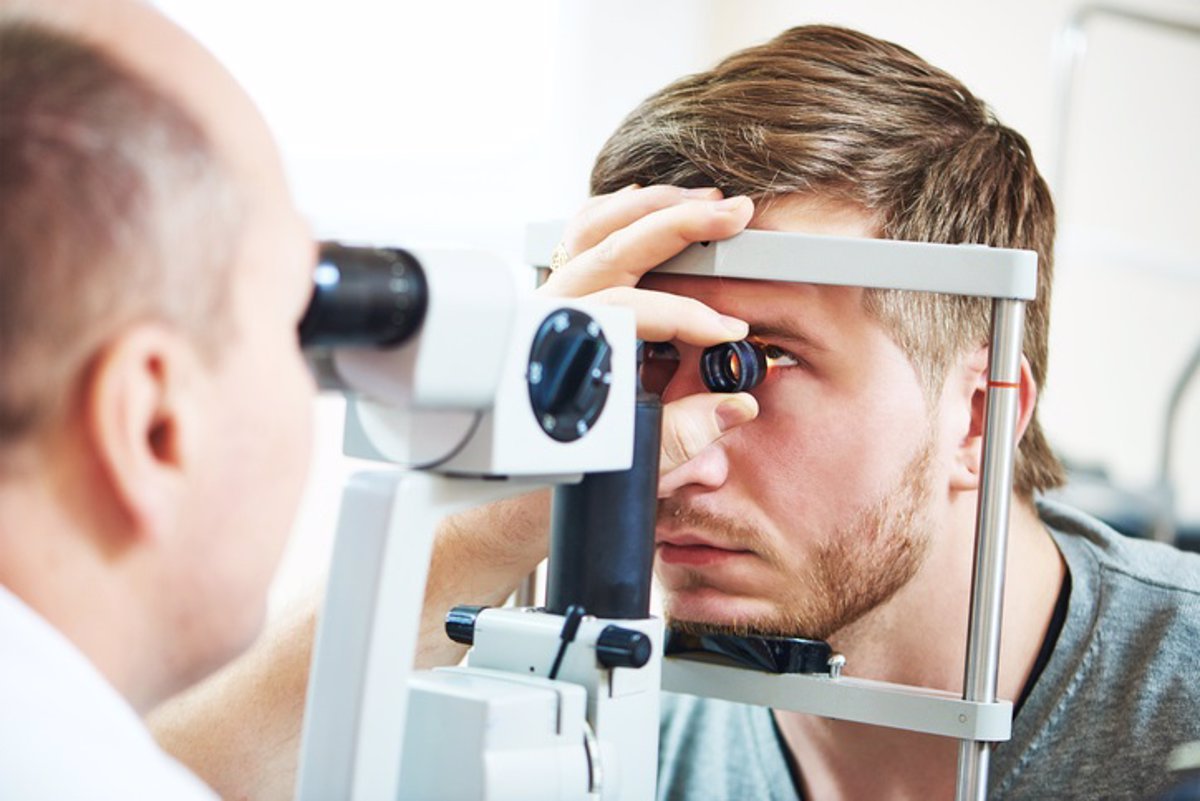
The refractive surgery lasts about 15 minutes, is outpatient, uses topical anesthesia (drops), and does not require sutures. After the procedure, it is crucial to take care of the eyes for a good visual outcome, avoiding foreign objects in the eye orbit during the first week, wearing sunglasses, or keeping the eyes closed for the first 24 hours.
PRESBYOPIA OR TIRED EYES
Ophthalmologist José María Soriano from IMO Grupo Miranza and Miranza Madrid focuses on techniques to correct presbyopia, a natural process due to aging that results in the gradual loss of the eye’s ability to focus on near objects. It typically develops from the ages of 40-45 and cannot be prevented.
The majority of people over 45 and 98 percent of those over 65 in Spain have presbyopia. Solutions include glasses, contact lenses, laser surgery, or implanting phakic intraocular lenses or pseudophakic intraocular lenses.
For patients considering surgery, laser and phakic lenses are typically recommended for individuals aged 45-55 with a healthy lens. Candidates for pseudophakic lenses are usually over 55; while the lens needs replacement, it offers a permanent solution.
In intraocular lens surgery, various types of lenses are available, with the choice tailored to each patient’s lifestyle. Monofocal lenses focus on a specific range of vision, typically distant; advanced monofocal lenses correct distant vision and improve intermediate vision; extended-range lenses enhance distant, intermediate, and sometimes close vision; and multifocal lenses provide vision at all distances.
CATARACTS
Cataract surgery is the most common procedure in Spain, with approximately 550,000 surgeries annually and the longest waiting list in the National Health System (SNS). It is essential to operate on cataracts early for an improved quality of life.
Symptoms of cataracts develop slowly, starting with glare, loss of contrast sensitivity, or altered color perception. Cataracts result from the deterioration of the lens due to the aging process affecting everyone, but can also be caused by diabetes, corticosteroid use, trauma, or smoking.
Cataract treatment is always surgical, involving outpatient surgery using topical or local anesthesia. The procedure consists of using a femtosecond laser, aspirating the fragments, and implanting a personalized intraocular lens.
Finally, it is clarified that cataracts do not recur, the implanted lens does not become dirty, and a lens is always necessary to correct the cataract.