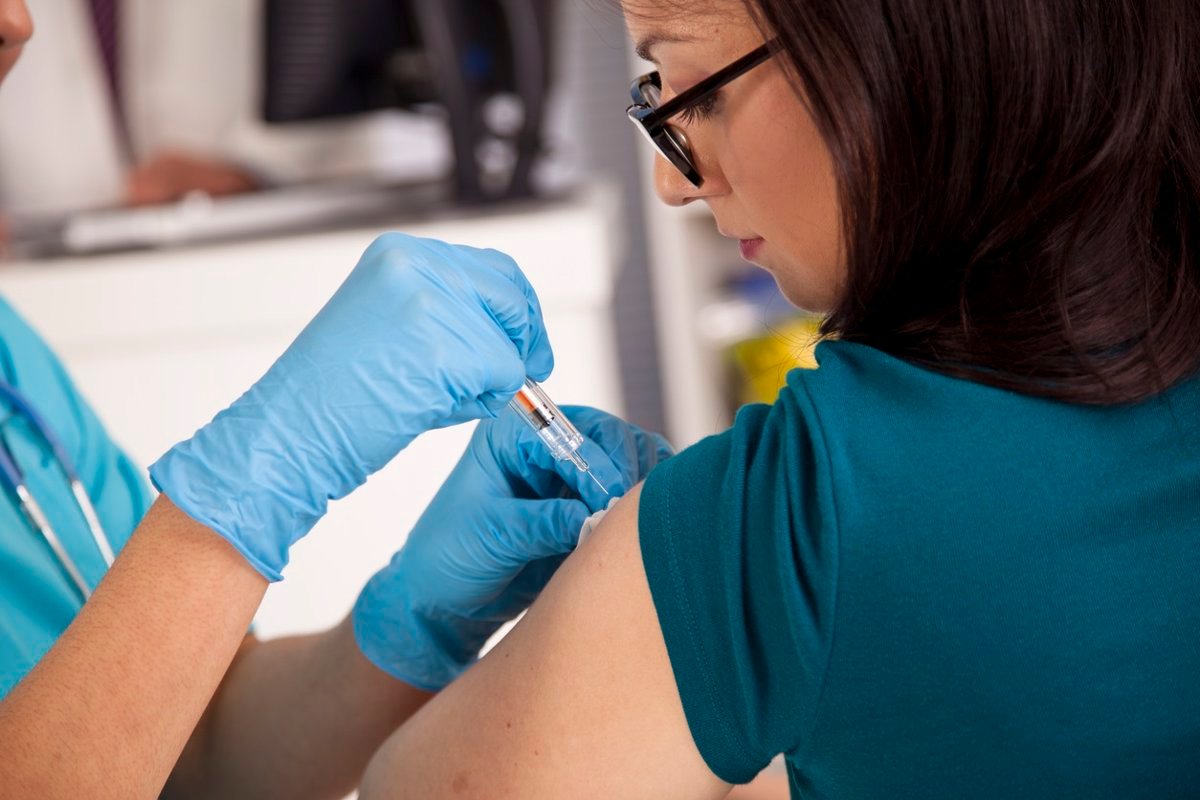
At first glance, the choice between the left or right arm may seem trivial. Often it is decided for convenience, out of habit, or based on which arm hurts less that day. However, deep down, this decision involves the immune system and how the body prepares to defend itself against a threat.
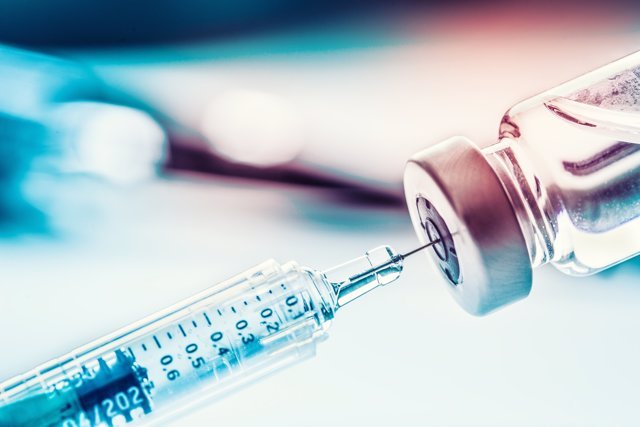
Immunization introduces a harmless version of a pathogen, known as the vaccine antigen, which filters through the lymph nodes, immune training centers that prepare the body to fight the real pathogen.
WHAT HAPPENS WHEN YOU RECEIVE A VACCINE?
The researchers at the Garvan Institute of Medical Research and the Kirby Institute at UNSW Sydney (Australia) discovered that when administering a vaccine, specialized immune cells called macrophages prepare within the lymph nodes. These macrophages direct the location of memory B cells so they can respond more effectively to the booster dose when administered in the same arm.
The findings, conducted in mice and validated in human participants, provide evidence to refine vaccination approaches and offer a promising new approach to improve vaccine effectiveness.
«This is a fundamental discovery about how the immune system organizes itself to respond better to external threats: nature has created this brilliant system and we are just beginning to understand it now,» says Professor Tri Phan, Director of the Precision Immunology Program at Garvan and co-lead author.
Professor Anthony Kelleher, Director of the Kirby Institute and co-lead author, notes that «a unique and elegant aspect of this study is the team’s ability to understand the rapid generation of effective responses to vaccines.»
«We achieved this by analyzing complex biology in mice and then showing similar findings in humans. All of this was done where the vaccine response is generated: the lymph node,» he states.
Thus, they discovered that receiving a booster vaccine in the same arm as the first dose can generate an immune response more effectively and faster. This work, published in the journal ‘Cell,’ provides new insights that could help improve future vaccination strategies.
LYMPH NODES, B CELLS, AND ANTIBODIES
Researchers previously discovered that memory B cells, crucial for generating antibody responses when infections reappear, remain in the lymph node closest to the injection site.
Using cutting-edge intravital imaging at Garvan, the team found that memory B cells migrate to the outer layer of the local lymph node, where they closely interact with the resident macrophages.
By administering a booster dose in the same area, these ‘prepared’ macrophages, already on alert, efficiently captured the antigen and activated memory B cells to produce high-quality antibodies.
It is known that macrophages engulf pathogens and eliminate dead cells, but this research suggests that those in the lymph nodes closest to the injection site also play a crucial role in orchestrating an effective vaccine response next time.
Therefore, location does matter, emphasizes Dr. Rama Dhenni, co-lead author of the study, who conducted the research as part of his Scientia PhD program at Garvan.
To assess the relevance of the findings in animals for human vaccines, the Kirby Institute team conducted a clinical study with 30 volunteers who received the Pfizer-BioNTech COVID-19 mRNA vaccine.
RESEARCH ON 20 PATIENTS WITH THE COVID VACCINE
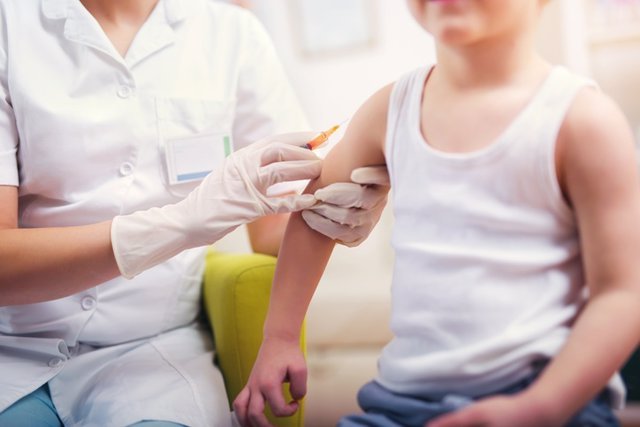
Twenty participants received the booster dose in the same group as the first, while 10 received the second dose in the opposite group. «Those who received both doses in the same group produced neutralizing antibodies against SARS-CoV-2 significantly faster, during the first week after the second dose,» points out Alexandra Carey-Hoppé, co-lead author and PhD student at the Kirby Institute.
«These same group antibodies were also more effective against variants like Delta and Omicron. After four weeks, both groups had similar antibody levels, but that early protection could be crucial during an outbreak,» adds Mee Ling Munier, co-lead author and leader of the Vaccine Immunogenomics group at the Kirby Institute.
However, the research shows that over time, the difference in protection decreases. Although during a pandemic, those early weeks of protection could make a huge difference at the population level.
WHY IS IT BETTER TO VACCINATE IN THE SAME ARM?
Vaccination in the same arm could help achieve herd immunity more quickly, which is especially important for fast-mutating viruses, where response speed is crucial.
Beyond the potential to refine vaccination guidelines, the findings offer a promising path to enhance vaccine efficacy.