
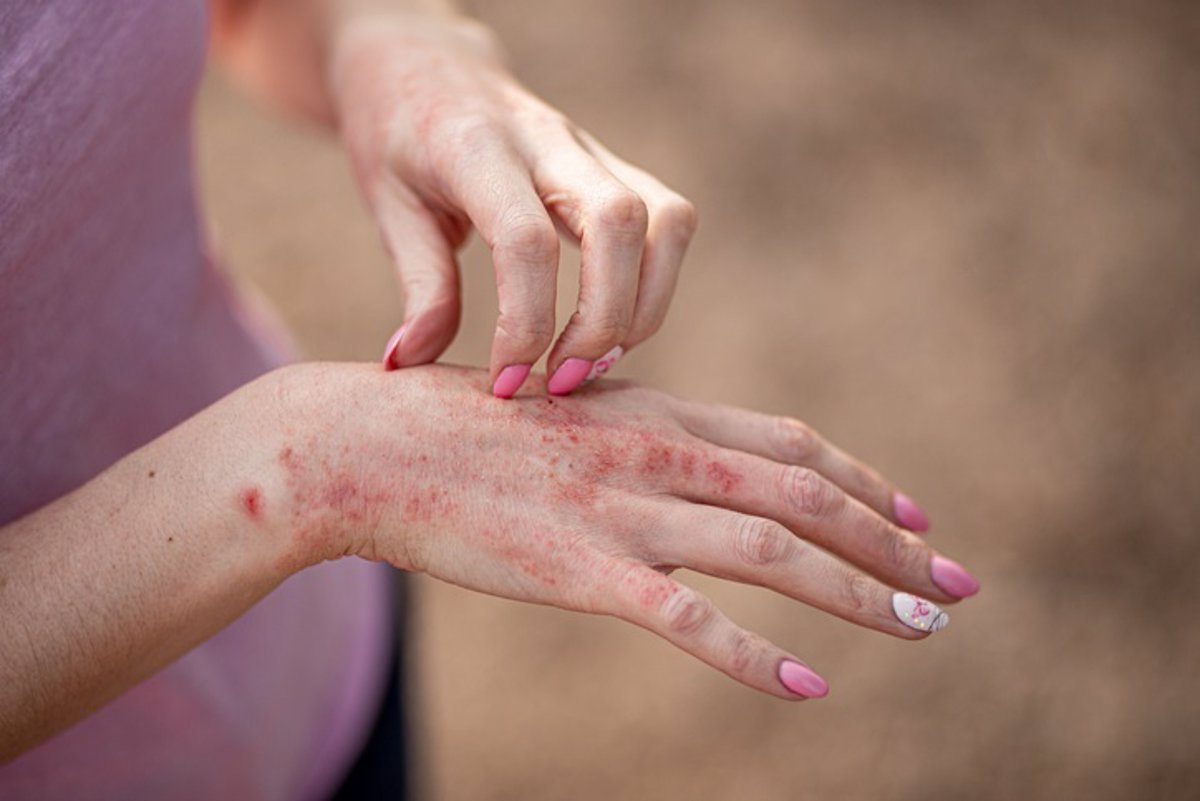
To better understand it, we interviewed Dr. Carmen Kannee, a dermatology specialist at the Integral Dermatology Institute (IDEI), at Europa Press Salud Infosalus. She explains that seasonal allergies do influence the onset of dermatitis flare-ups in patients with atopic skin.
«This is because patients with atopic dermatitis have a genetically fragile skin barrier, which can react excessively to environmental stimuli, including airborne allergens such as pollen, which are more prevalent during the spring,» states the expert.
In fact, she points out that aeroallergens are recognized by the immune system of sensitized atopic individuals as ‘invaders,’ triggering an inflammatory response that not only affects the respiratory tract (rhinitis or asthma) but also the skin, which can contribute to triggering or worsening an atopic dermatitis flare-up, or causing an episode of contact urticaria mediated by these aeroallergens.
With the arrival of summer, and the increase in temperature and sun exposure, certain skin conditions that are more characteristic of the season appear. These conditions, listed below, are exacerbated by tight clothing, sweat accumulation, and ambient humidity:
1. Miliaria (sweat rash): a rash due to obstruction of sweat ducts, very common in children and individuals who sweat excessively.
2. Contact dermatitis: although it can occur at any time of the year, spending more time outdoors engaging in activities can increase contact with plants, metals (like nickel from some accessories), sunscreens, or repellents, causing irritant or allergic contact dermatitis.
3. Photodermatitis: a skin reaction to the sun after contact with certain photosensitizing substances, such as lime juice, plants, perfumes, or medications.
4. Dyshidrotic eczema: a common condition on the hands and feet, aggravated by heat and humidity.
5. Intertrigo: red, moist areas with itching in skin folds, especially submammary and inguinal, due to continuous friction and sweat in the area, exacerbated in hot weather. Fungal overgrowth is common.
6. Cholinergic urticaria: outbreak of small hives with itching induced by heat or exercise.
7. In the case of atopic dermatitis, exposure to ultraviolet radiation from the sun can improve flare-ups during the summer, and most patients experience improvement through this mechanism. However, heat and sweat worsen flare-ups, so they may worsen if heat and sweat are predominant over outdoor sun exposure with cooler temperatures.
Dr. Kannee emphasizes that sweat can significantly exacerbate dermatitis, especially in individuals with sensitive skin or pre-existing conditions like atopic dermatitis. «Although sweat itself is not harmful, as it is a natural way to regulate temperature, it contains salts and other substances that, when evaporating, can irritate the skin or alter its pH. Additionally, when combined with bacteria and moisture, it can cause inflammation, itching, and flare-ups,» she explains.
She also notes that vulnerable areas where sweat accumulates and there is friction or poor ventilation, such as the neck folds, armpits, under the breast area, groin, back of the knees, elbows, face, and scalp in cases of intense sweating, require special attention. «These areas require special attention as constant moisture can create a conducive environment for the development of secondary skin infections by bacteria or fungi,» she asserts.
To prevent flare-ups in warmer months, Dr. Kannee recommends maintaining a skin barrier care routine throughout the year. The fundamental steps include:
1. Daily shower with lukewarm water: avoid very hot showers that dry out the skin; if sweating a lot, as in the hotter months and outdoor activities, it may be necessary to shower twice a day.
2. Use of soap substitutes that cleanse the skin without drying it out; preferably choose liquid or oil-based cleansers, fragrance-free or colorant-free, which are the gentlest; avoid using a sponge.
3. Gentle drying: pat the skin dry, without rubbing, especially in skin folds.
4. Apply a moisturizing, barrier-repairing cream immediately after showering, fragrance-free: «During the spring, well-hydrated skin translates to a stronger skin barrier, preventing the entry of allergens, reducing water loss, and decreasing sensitivity to irritants. Apply at least twice a day. The first application should be right after bathing, with slightly damp skin, to trap moisture, and also after sun exposure or outdoor activities or whenever the skin feels tight or dry. Choose products without alcohol, fragrances, and with barrier-repairing ingredients like glycerin, ceramides, or colloidal oatmeal.»
5. Change clothes frequently: if sweating, to avoid keeping moisture in contact with the skin.
6. Wear cotton or breathable fabrics: that do not retain sweat or cause friction.
By following these recommendations, individuals can better manage their skin during the warmer months, reducing the risk of flare-ups and maintaining skin health.
FUENTE