The municipality of Seseña (PSOE, IU, Más Seseña, and Todo por Seseña) have announced the filing of an extraordinary review appeal to halt the construction of an asphalt conglomerate manufacturing plant. They detected deficiencies in the process and lack of information in the license granted by the PP and Vox municipal government.
The opposition learned about the project through social media and, upon requesting the file from the City Council, found that the construction and activity license may have been granted without meeting the required legal standards. The proximity of the plant to homes, a school, restaurants, and gyms has raised concerns among residents, according to a joint statement by the groups.
One of the most concerning aspects, they claim, is the environmental quality report, which was prepared using information provided by the City Council and the promoting company, PAVASAL, omitting essential data that should have been forwarded to the General Directorate of Environmental Quality.
Furthermore, they state that the Regional Government has sent a letter to the City Council indicating that, as a potentially atmospheric polluting activity, the plant must have explicit authorization as per current regulations. However, this requirement was not met, leading the opposition groups to consider it a serious irregularity in the license issuance.
On February 19, the opposition groups submitted a review of the environmental quality report, providing information that had not been shared by the City Council and the promoting company. After reviewing the complete documentation, they have decided to file an extraordinary review appeal to halt the project.
### MUNICIPAL COUNCIL
During the Ordinary Municipal Council meeting on Thursday, February 27, a proposal put forth by PSOE, IU, Más Seseña, and Todo por Seseña to revoke the license and immediately halt the works will be discussed.
The opposition has expressed their complete rejection of a project that «jeopardizes public health and the well-being of Seseña residents,» having been approved with a lack of transparency and without following the necessary procedures.
«We will not allow PP and Vox to turn Seseña into a place where people want to leave or not come to live, ignoring the impact this plant will have on the lives of our neighbors. We demand the immediate halt of the project and the revocation of the license,» stated the opposition spokespeople.
The public and various neighborhood groups have already shown concern about this situation and will be attentive to the developments of the meeting on the 27th, where the fate of this installation will be decided.
### SIGNATURES
On their part, the Naturalist Group Esparvel presented more than 2,700 signatures and citizen allegations against the construction of the asphalt plant projected in the municipality to the Seseña City Council.
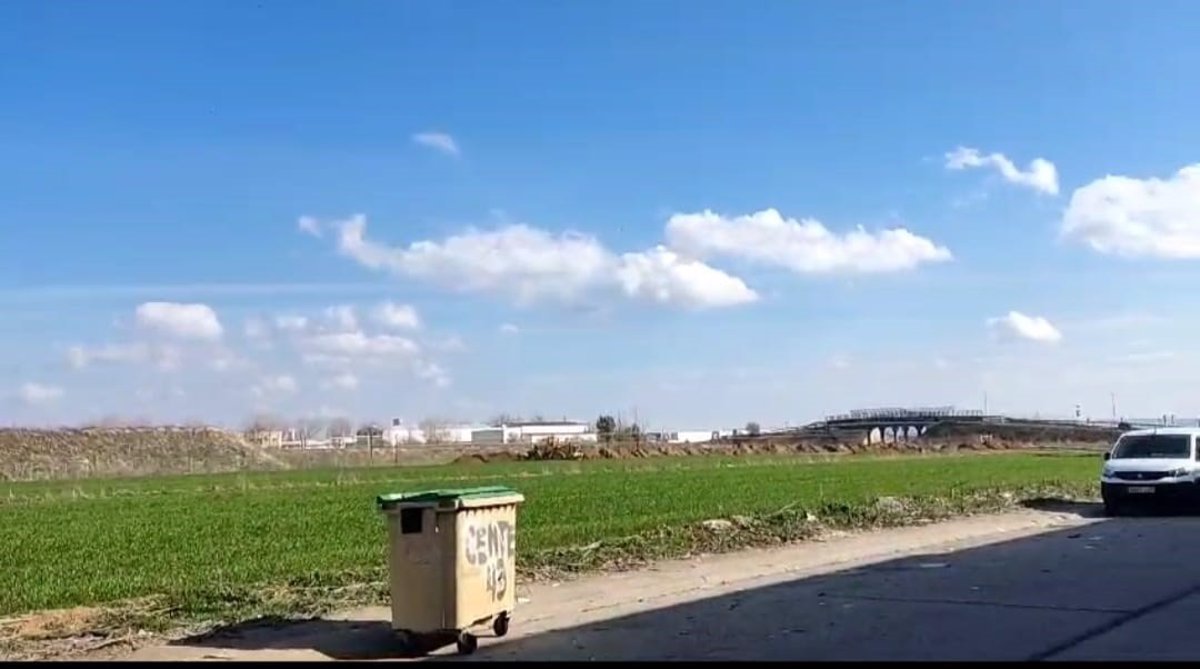
According to the naturalist group, opposition to the plant is based on legal and scientific reasons. Firstly, the project violates Article VII.3.1.9.2 of the Municipal Planning Plan (POM), which requires proving the need for industrial activities to be located away from population centers if not included in the POM as installations in rural areas. Since there is already an asphalt plant in Seseña and industrial land available, the implementation of this activity in agricultural land less than 600 meters from the urban area is unjustified, reinforcing its incompatibility with current regulations.
As mentioned in a press release, the access to the asphalt conglomerate plant via the Cordel de Merinas branch would violate multiple provisions of the Castilla La Mancha Livestock Pathways Law 9/2003, which restricts vehicle circulation on these pathways.
«The Article 31 only allows the transit of agricultural or forestry vehicles, exclusively for the exploitation of neighboring agricultural estates and with prior authorization. The circulation of industrial or cargo transport vehicles is not included in Law 9/2003 and is therefore prohibited.»
From a public health perspective, they affirm that the proximity of the plant less than a kilometer from the urban center and various educational and sports facilities increases public concern.
«The annual production of the plant would result in the emission of highly polluting volatile compounds, such as benzene and formaldehyde, known for their harmful effects on respiratory health.»
Furthermore, they warn that the generation of suspended dust from processing aggregates and milling recycled asphalt poses a significant risk, especially for vulnerable populations such as children, the elderly, and individuals with pre-existing respiratory conditions.
### FIRMAS
En su lado, la Agrupación Naturalista Esparvel ha presentado este martes ante el Ayuntamiento de Seseña más de 2.700 firmas y alegaciones ciudadanas en contra de la construcción de la planta de asfalto proyectada en el municipio.
Según afirman desde la agrupación naturalista, la oposición a la planta se fundamenta en razones legales y científicas. En primer lugar, el proyecto vulnera el Artículo VII.3.1.9.2 del Plan de Ordenación Municipal (POM), que en el caso del uso «actividades industriales y productivas de nueva implantación» o no recogidas por el POM como instalaciones en suelo rústico, deberá acreditarse que su normativa reguladora exige su alejamiento de núcleo de población, y que no existe suelo específicamente calificado para uso industrial que pudiera albergarlas.
«Dado que ya existe una planta de asfaltos en Seseña y que hay terreno industrial disponible, no se justifica la implantación de esta actividad en suelo agrícola a menos de 600 metros del casco urbano, lo que refuerza su incompatibilidad con la normativa vigente».
Según indican en nota de prensa, el acceso a la planta de aglomerados asfálticos por el ramal del Cordel de Merinas «incumpliría múltiples disposiciones» de la Ley 9/2003, de Vías Pecuarias de Castilla La Mancha, que restringen la circulación de vehículos en las vías pecuarias.
«El Artículo 31 solo permite el tránsito de vehículos agrícolas o forestales, exclusivamente para la explotación de fincas agrarias colindantes y previa autorización. La circulación de vehículos industriales o de transporte de mercancías no se encuentra contemplada en la Ley 9/2003, por lo que está prohibida».
Desde el punto de vista de la salud pública, afirman, la proximidad de la planta a menos de un kilómetro del núcleo urbano y de diversas instalaciones educativas y deportivas aumenta la preocupación ciudadana.
«La producción anual de la planta supondría la emisión de compuestos volátiles altamente contaminantes, como benceno y formaldehído, conocidos por sus efectos nocivos sobre la salud respiratoria».
Además, advierten, la generación de polvo en suspensión a partir del procesamiento de los áridos y el fresado de asfalto reciclado representaría un riesgo significativo, especialmente para poblaciones vulnerables como niños, ancianos y personas con afecciones respiratorias preexistentes.
FUENTE